
The insider truths that will help you travel smarter, spend better, and actually enjoy every moment of your trip.
What the Photos Don’t Show You
You’ve seen the images. Crystal-clear turquoise water, white sand beaches that seem to go on forever, ancient Mayan ruins rising above the jungle. The Riviera Maya looks like paradise — and in many ways, it truly is.
But here’s what those perfectly curated Instagram posts leave out: the long, traffic-jammed roads between attractions, the beaches thick with sargassum seaweed in certain months, the overpriced tours that deliver half the experience of a lesser-known alternative three miles away.
Every year, thousands of travelers arrive at Cancún International Airport full of excitement — and leave feeling like they could have done so much more if they’d only known what to expect.
This guide is everything that travel agencies and tourism brochures rarely mention. The honest, practical truths about visiting the Riviera Maya that will allow you to plan smarter, spend better, and experience one of the world’s most stunning destinations the way it was meant to be experienced.
Nothing Is as Close as It Looks on the Map
This is arguably the most common misconception among first-time visitors to the Riviera Maya. On a map, Tulum looks close to Playa del Carmen. Chichén Itzá seems like a quick detour. The cenotes appear scattered conveniently along the highway. But maps are deceptive.
The Riviera Maya stretches over 130 kilometers of coastline, from Cancún in the north all the way down to Tulum. That means a trip from your hotel in Playa del Carmen to a cenote near Tulum could take anywhere from 45 minutes to over two hours, depending on the time of day and the season.
What you need to know about distances and transportation
- High-season traffic (December through March, and July through August) can double your travel time on the main highway (Highway 307)
- Popular routes like Playa del Carmen to Tulum often have congestion, especially on weekends
- Renting a car gives you the most flexibility, but parking at major sites like Tulum ruins can be challenging during peak hours
- Colectivos (shared vans) are the cheapest transport option and run frequently between most major towns — a great option for budget travelers
Pro tip: Cluster your activities by geographic zone when planning your itinerary. Don’t mix a morning in Chichén Itzá with an afternoon at a Tulum cenote — you’ll spend the best hours of your day in a car.
Not All Beaches Are Created Equal
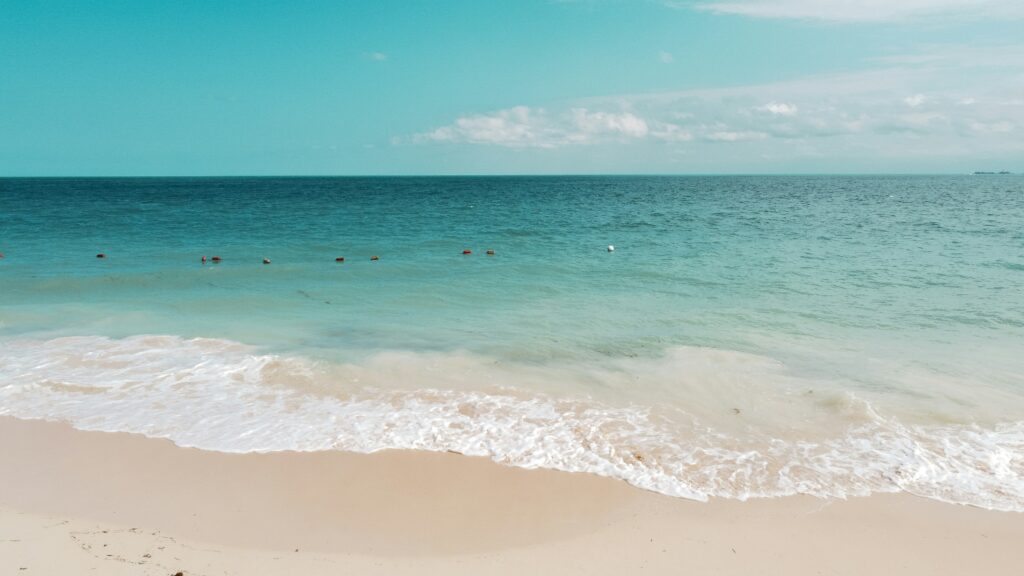
The Riviera Maya is famous for its beaches — and rightfully so. But “Riviera Maya beach” is not a single experience. Depending on where you go, when you go, and what the conditions are, the beach experience can vary dramatically.
The most talked-about issue in recent years is sargassum, the brown seaweed that washes ashore from the Atlantic. While authorities and hotels work hard to remove it, during peak sargassum season (typically April through October) some beaches can be heavily affected, which impacts both the visual appeal and the smell.
Key things to know before choosing your beach spot
- Sargassum levels vary significantly by location — beaches north of Playa del Carmen tend to be less affected than those further south
- Beaches in front of large hotels are typically cleaned daily; public beaches may have more buildup
- Some of the most beautiful and calm water is found in protected bays like Akumal and around Isla Mujeres
- Tulum’s beaches are stunning but often have stronger currents — not ideal for young children or inexperienced swimmers
- Hidden gems like Playa Paraíso and the beaches around Punta Allen offer tranquility that the famous spots no longer can
Pro tip: Before your trip, check a sargassum forecast website or app. Many offer near real-time maps of affected areas along the coast so you can plan accordingly.

⚡ The Best Experiences Are Often the Least Obvious
Ask any seasoned Riviera Maya traveler where they had their best experience, and chances are it won’t be the place that appeared at the top of every travel blog. The Yucatán Peninsula is full of extraordinary experiences hiding just a few kilometers off the beaten path — and most tourists never find them.
Cenotes are the perfect example. The Riviera Maya has hundreds of cenotes — freshwater sinkholes of stunning beauty. But the three or four that appear on every tour itinerary can receive thousands of visitors per day, turning what should be a magical, quiet experience into something resembling a crowded water park.
Where to find experiences that genuinely stand out
- Lesser-known cenotes like Cenote Cristalino, Cenote Azul, and the cenotes near Punta Laguna offer the same breathtaking beauty with a fraction of the crowd
- The ruins of Cobá — where you can still climb the main pyramid — offer a more immersive jungle experience than the more photographed Tulum ruins
- Sian Ka’an Biosphere Reserve, a UNESCO World Heritage site, offers boat tours through mangroves and channels that most visitors skip entirely
- Community-based ecotourism projects in small Mayan villages offer cultural experiences that are both authentic and directly beneficial to local communities
⚡ Pro tip: Search for combined tour packages that group 2-3 experiences in the same geographic area. Not only do they offer better value — they often include smaller, off-the-radar spots that solo itineraries miss.
Prices Vary Wildly — And So Does Value
The Riviera Maya has a reputation for being expensive, and while it can be, that reputation is only partly deserved. The reality is more nuanced: some experiences are genuinely overpriced for what they deliver, while others offer exceptional value that most travelers never discover because they book through the wrong channels.
The most expensive traps are usually found at hotel tour desks, airport arrival areas, and along the main tourist strips in Playa del Carmen and Tulum. These venues charge a significant premium for the convenience of accessibility — and travelers in a hurry pay for it.
How to make your budget work harder
- Book tours and activities online in advance — prices are typically 20-40% lower than in-person bookings at hotels or street vendors
- Compare what’s included in similar-sounding tours: entrance fees, equipment, food, transport, and guide quality vary enormously between providers at the same price point
- Eat where locals eat — the food is better and significantly cheaper. A meal at a local market comedor costs a fraction of what a tourist restaurant charges for a lesser version
- Street tacos, fresh ceviche stands, and market lunches are not only safe — they’re some of the best food you’ll eat on your trip
- Avoid exchanging currency at airports or hotels; use ATMs from major banks and always choose to be charged in Mexican pesos, not dollars
Pro tip: Set a rough daily budget before you arrive. Travelers who plan their activities and dining in advance consistently spend 25-35% less than those who make decisions on the fly.
Planning Is the Difference Between a Good Trip and an Unforgettable One
Spontaneity has its place in travel, but the Riviera Maya rewards preparation in a way that few destinations do. The best cenotes, the most popular tours, the restaurants worth visiting — these fill up weeks in advance during high season. The traveler who arrives without a plan often ends up with what’s left.
More importantly, a basic itinerary prevents the single biggest waste on any vacation: spending your prime daylight hours in a car trying to figure out where to go next.
A smart planning framework for your Riviera Maya trip
- Define your priorities before anything else — are you here for beaches, ruins, nature, nightlife, or a mix? Your answer should shape every decision that follows.
- Divide the destination into zones (Cancún/Hotel Zone, Playa del Carmen, Tulum, inland ruins) and group activities by zone to minimize travel time.
- Book high-demand experiences — Chichén Itzá, popular cenotes, whale shark tours — at least 2-3 weeks in advance during high season.
- Leave buffer days. One or two unscheduled days in the middle of your trip give you flexibility to revisit a favorite spot or follow a local recommendation.
- Check the calendar — local events, Mexican public holidays, and school vacation periods dramatically affect crowd levels and prices.
Pro tip: A loose 3-day itinerary is always better than no itinerary at all. You don’t need every hour planned — just the anchor activities and a general sense of which zone you’ll be in each day.
⚠️ Choosing the Right Activities and Providers Matters More Than You Think
Not all tours, operators, and activities in the Riviera Maya are created equal. And the difference between a reputable, well-organized experience and a poorly run one isn’t just comfort — it’s safety, environmental responsibility, and whether you actually get what was advertised.
The Riviera Maya’s tourism industry ranges from world-class operators with experienced guides, proper safety equipment, and genuine passion for what they do — to opportunistic operations that are underequipped, overcrowded, and cut corners wherever possible.
How to choose experiences and providers you can trust
- Read recent reviews on multiple platforms (Google, TripAdvisor, and travel forums) — look for consistent mentions of guides, safety, and what’s actually included
- Verify that the operator holds proper permits, especially for activities involving wildlife, cenotes, or protected natural areas
- Ask specifically what is and isn’t included — transportation, entrance fees, equipment, food, and insurance vary widely and significantly affect value
- Smaller group sizes generally mean a better experience; ask about maximum group capacity before booking
- Trust your instincts when something feels rushed, unorganized, or vague — a reputable operator will happily answer all your questions
⚠️ Important: Avoid booking adventure activities (ziplining, cave diving, cenote rappelling) through vendors who cannot clearly demonstrate their safety certifications. This is not an area to bargain-hunt.
Frequently Asked Questions About Visiting the Riviera Maya
What is the best time of year to visit the Riviera Maya?
December through March is considered peak season — weather is dry, temperatures are comfortable, and crowds are at their highest. If you want to avoid both crowds and sargassum, November is often the sweet spot: low-season prices, pleasant weather, and manageable seaweed levels. July and August are popular with Mexican and European families but bring higher heat and humidity.
Is the Riviera Maya safe for tourists?
The main tourist areas — Cancún Hotel Zone, Playa del Carmen, Tulum, and major archaeological sites — are generally very safe for travelers. Like any tourist destination, common-sense precautions apply: avoid isolated areas at night, use reputable transport, and keep valuables secured. The vast majority of visitors complete their trips without incident.
Do I need to rent a car to explore the Riviera Maya?
Not necessarily. The colectivo network covers most major destinations affordably, and many tours include hotel pickup. That said, a rental car dramatically increases flexibility — especially if you want to explore off-the-beaten-path cenotes, beaches, or towns that aren’t on standard tour routes. If you do rent, book in advance and read the insurance terms carefully.
How far in advance should I book activities?
For high-season travel (December-March, July-August), book signature activities like Chichén Itzá tours, whale shark experiences, and popular cenote visits at least 2-3 weeks ahead. For shoulder and low season, 3-5 days in advance is usually sufficient for most activities.
Travel Smart, Not Just Far
The Riviera Maya is, without question, one of the most remarkable travel destinations in the world. The combination of Caribbean coastline, ancient Mayan civilization, extraordinary natural wonders, and vibrant local culture creates something genuinely difficult to find anywhere else on earth.
But experiencing it well requires more than a flight and a hotel reservation. It requires knowing what to expect, where to look beyond the obvious, and how to make decisions that protect both your experience and your budget.
The travelers who come back from the Riviera Maya saying it changed them aren’t the ones who stayed by the hotel pool. They’re the ones who went looking for the cenote nobody photographed, ate at the market stall with the handwritten menu, and watched the sunrise from a Mayan ruin with no one else around.
Don’t just visit the Riviera Maya.
Experience it the way only well-prepared travelers do.