
Picture yourself diving into crystal-clear turquoise water, surrounded by ancient stalactites, with rays of light filtering through the rock and a silence that feels almost sacred. It’s not a dream: it’s a cenote, and the Riviera Maya is home to thousands of them, all waiting to be discovered.
Visiting a cenote in the Riviera Maya is one of those experiences that stays with you forever. But if it’s your first time, it’s normal to have questions: what types are there, what should I bring, are they safe? In this guide we cover everything you need to know to enjoy these natural wonders like a true explorer.
What Is a Cenote and Why Are They So Special?
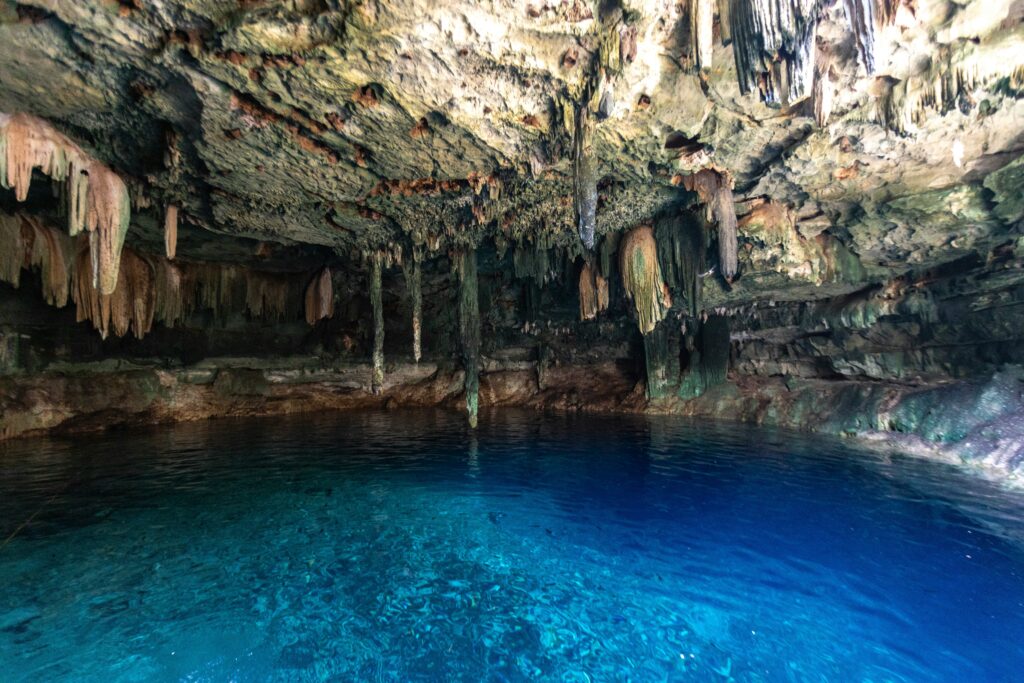
A cenote is a natural formation created by the collapse of limestone rock, which exposes pools of fresh, crystal-clear water fed by underground rivers. The word comes from the Mayan “dzonot,” meaning “cavern with water.”
For the Mayan civilization, cenotes were sacred: they were seen as gateways to the underworld and sources of life. Today, beyond their immense cultural value, they are among the greatest natural attractions of the Yucatán Peninsula and a magnet for travelers from all over the world.
Types of Cenotes You’ll Find
Not all cenotes are the same. Knowing the different types will help you choose the one that best matches what you’re looking for.
Open cenotes
These are the most mature: the ceiling has collapsed entirely, and today they look like open-air lagoons surrounded by vegetation. They get plenty of sunlight, making them perfect for swimming and taking spectacular photos.
Semi-open cenotes
These have part of the ceiling and part open to the sky, combining the magic of a cavern with natural light. They often offer stunning plays of light and a more intimate atmosphere.
Closed or cave cenotes
Found inside caves, with stalactite and stalagmite formations, these cenotes have incredibly clear water and a mystical ambiance. They’re ideal for travelers seeking a more adventurous experience.
What to Bring When Visiting a Cenote
To make the most of your visit and protect the ecosystem, pack the following:
- Biodegradable sunscreen (required to protect the water and aquatic life).
- Swimsuit and towel.
- Water shoes or non-slip sandals, since the rocks can be slippery.
- A change of dry clothes.
- A waterproof camera to capture the moment.
- Water and a light snack.
Tips for Visiting Cenotes Safely and Responsibly
These cenotes are fragile natural treasures. To protect them and stay safe, keep this in mind:
- Shower before entering and avoid non-biodegradable lotions or repellents.
- Respect the site’s rules and don’t touch the rock formations.
- Wear a life vest if you’re not a strong swimmer; some cenotes are deep.
- Don’t leave trash behind and take everything you bring with you.
- Visit with a local guide who knows the area and ensures your safety.
Benefits of Swimming in a Cenote
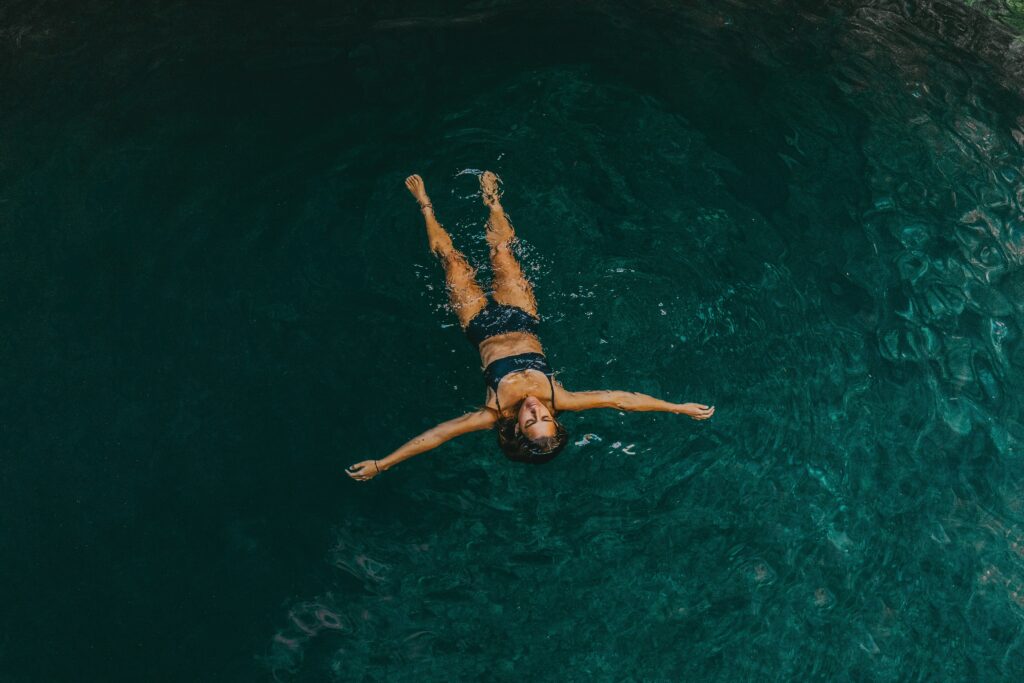
Beyond the spectacular scenery, diving into a cenote has real benefits. Its fresh, mineral-rich waters are revitalizing, swimming in them is a low-impact activity ideal for all ages, and the natural setting creates a sense of calm that’s hard to match. For many travelers, it’s also a moment of spiritual connection with a place the Maya considered sacred.
- Fresh, mineral water that revitalizes the body.
- A natural setting that eases stress and travel fatigue.
- A unique experience blending nature, history, and adventure.
What’s the Best Way to Visit the Cenotes?
While some cenotes can be reached on your own, many of the most impressive ones are located in remote areas or are combined with other attractions like Chichén Itzá. Visiting them as part of an organized tour saves you the logistics, transportation, and worries, and lets you discover cenotes you’d hardly find on your own, all with the safety of an expert guide.
What’s more, a local guide doesn’t just take you to the best spot: they share the history, the legends, and the secrets of each cenote, turning a simple swim into a complete cultural experience. It’s the difference between seeing a cenote and truly understanding it.
Frequently Asked Questions About Cenotes
Is it safe to swim in a cenote?
Yes, as long as you follow the rules, wear a life vest if needed, and visit cenotes set up for tourism, ideally accompanied by a guide.
Do I need to know how to swim?
Not necessarily. Many cenotes have shallow areas and provide life vests, so they can be enjoyed even if you don’t know how to swim.
What’s the best time to visit cenotes?
They can be visited year-round, as their temperature stays cool and stable. Going early helps you avoid crowds and enjoy better light.
Are cenotes suitable for children?
Yes, especially open and shallow cenotes, always with supervision and a life vest.
Conclusion: Experience the Magic of the Cenotes
The cenotes of the Riviera Maya are much more than natural pools: they are windows into Mayan history, sanctuaries of crystal-clear water, and experiences that connect you with nature in a truly unique way. Visiting them is, without a doubt, one of the great must-dos of your trip.
And the best way to discover them is alongside those who know every corner of the region.